Australia continues to be one of the world’s most attractive destinations for international workers. Whether you’re arriving on a Working Holiday Visa, Student Visa, Temporary Skill Shortage (Subclass 482), or Permanent Residency, finding a job is often the first priority.
The Australian job market offers opportunities across hospitality, construction, agriculture, healthcare, logistics, IT, engineering, and many other industries. While competition varies depending on your experience and location, understanding how employers hire in Australia can dramatically improve your chances.
This guide explains exactly how to find a job in Australia in 2026, including where to search, how to prepare your resume, what employers expect, and common mistakes to avoid.
Why Work in Australia?
Australia consistently ranks among the best countries for work-life balance and employee protections.
Some of the main benefits include:
- Competitive hourly wages
- Strong workplace protections under Fair Work Australia
- Safe working environments
- Paid annual leave for eligible employees
- Superannuation (retirement savings)
- Opportunities to transition into skilled migration pathways
Many people initially arrive for temporary work but eventually build long-term careers in Australia.
Step 1: Understand Your Work Rights
Before applying for jobs, make sure you understand exactly what your visa allows.
Different visa holders have different work rights.
Working Holiday Visa (Subclass 417 / 462)
- Can work full-time
- Eligible for regional work
- May extend visa through specified work
Popular industries include:
- Farm work
- Hospitality
- Tourism
- Construction
- Warehousing
Student Visa
Students are generally allowed to work limited hours while studying, with full-time work permitted during eligible course breaks according to current visa conditions.
Many students work in:
- Cafes
- Restaurants
- Supermarkets
- Delivery services
- Retail
Temporary Skill Shortage (Subclass 482)
This visa allows skilled workers to work for an approved sponsoring employer.
Jobs commonly include:
- Electricians
- Carpenters
- Chefs
- Registered Nurses
- Engineers
- IT Professionals
Permanent Residents
Permanent residents can work for any employer without restrictions and enjoy the widest range of employment opportunities.
Step 2: Prepare an Australian Resume
Australian resumes are slightly different from resumes used in many other countries.
A good Australian resume should include:
- Personal details
- Professional summary
- Employment history
- Education
- Skills
- Licences and certifications
- References (optional)
Keep your resume clean and professional.
Avoid:
- Photos
- Date of birth
- Marital status
- Religion
Australian employers care much more about your experience and skills than personal information.
Step 3: Create a Professional LinkedIn Profile
Many Australian recruiters search LinkedIn before contacting candidates.
Your profile should include:
- Professional photo
- Strong headline
- Work experience
- Education
- Skills
- Certificates
Keep your profile updated whenever you gain new experience.
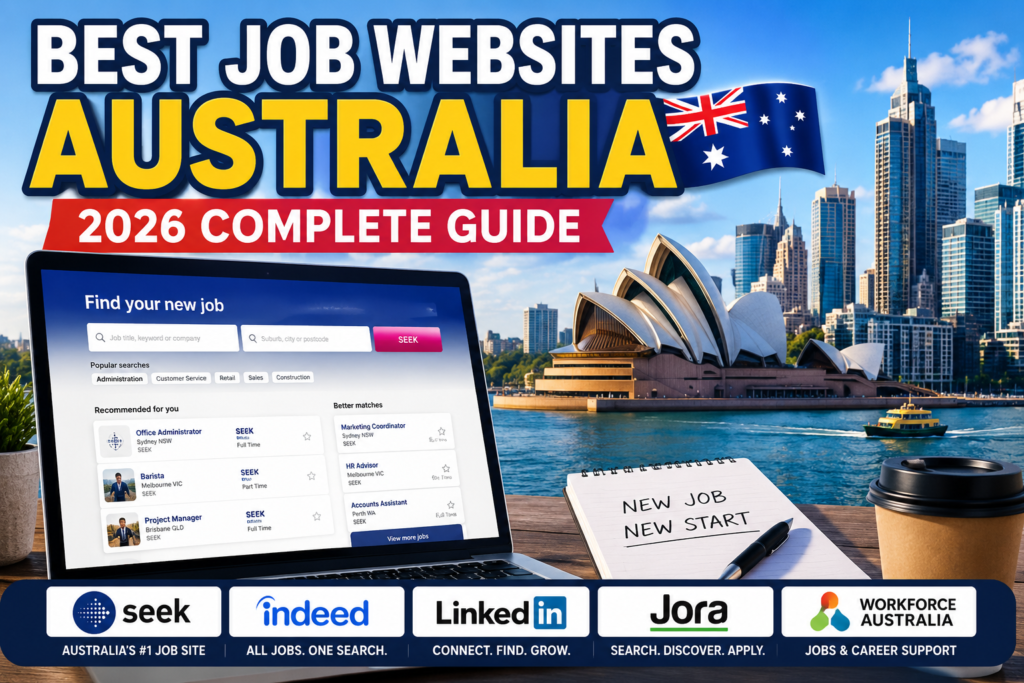
Step 4: Register on Australia’s Biggest Job Websites
The most popular job search websites include:
- SEEK
- Indeed Australia
- Jora
- LinkedIn Jobs
- Workforce Australia
Create job alerts so new opportunities are automatically emailed to you.