
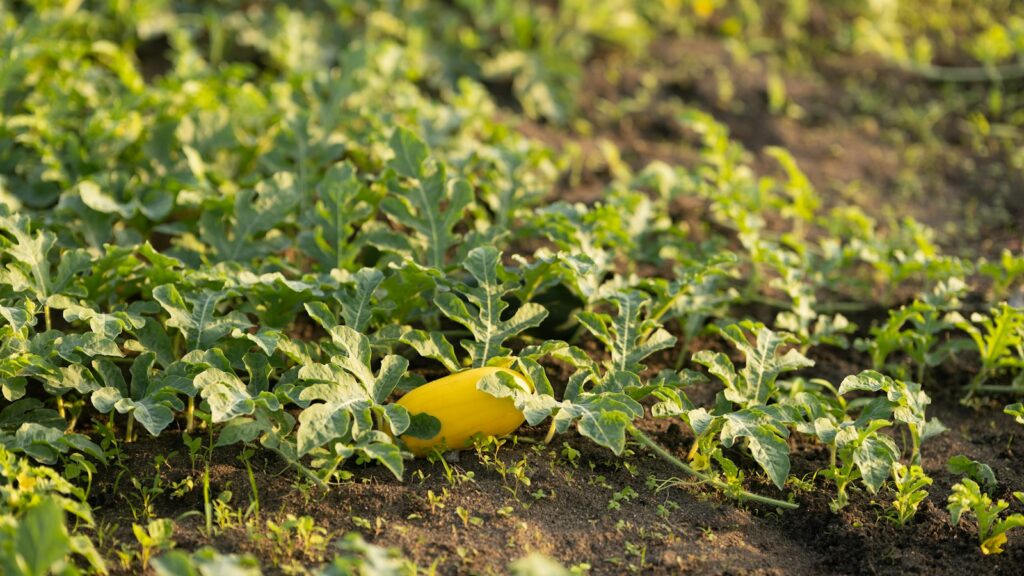
Farm work in Australia follows the seasons, so good timing can make the difference between steady shifts and waiting at home.
The founder of Life in Australia Hub has lived in Australia since March 2013. This guide explains what growers look for, why some backpackers get steady shifts while others sit at home, and which “jobs” are really scams.
Everything below is in plain English.
Farm Work Is Seasonal, and Timing Is Everything
The biggest mistake new workers make is arriving at the wrong time. A farm that needs 60 people in January may need only 5 in August.
Below are common seasons on inland vegetable and melon farms. Seasons move a few weeks each year with the weather, so treat these as a guide.
| Crop | Main season (approx.) | Typical tasks |
|---|---|---|
| Rockmelon and honeydew melon | December to May | Picking, packing, loading |
| Watermelon | January to May | Picking (heavy lifting), packing |
| Pumpkin | January to June or July | Cutting, picking, carting, packing |
| Capsicum | December to April or May | Picking, packing, grading |
| Broccoli | April or May to October or November | Cutting, packing in cold sheds |
What this means for you:
- Summer (December to February) is the busiest time on melon, watermelon, capsicum and pumpkin farms. If you arrive in Australia in spring, this is a great time to start your 88 days.
- Autumn (March to May) is the overlap period. Summer crops are finishing and winter crops like broccoli are starting, so you can often move from one to the next without a gap.
- Winter (June to August) has fewer jobs on summer crops, but broccoli and other winter vegetables keep going. Cold mornings are part of the job.
Other regions have different crops and seasons, such as citrus, grapes, berries and bananas. Always check what grows in an area before you travel there.
What the Work Is Really Like
Farm work is honest money, but it is physical. Here is what growers usually need, and what new workers often don’t expect.
- Early starts. Many shifts start at 6 am or earlier, especially in summer, to avoid the afternoon heat.
- Heat and sun. Summer days can be very hot. Bring a hat, long sleeves, sunscreen and at least 2 to 3 litres of water.
- Heavy lifting. Watermelons and pumpkins are heavy. If you have back problems, packing shed work may suit you better than field work.
- Weather days. Rain can stop picking. On those days there may be no work, so keep some savings.
- Reliability matters most. Growers would rather keep a steady, on-time worker than a fast worker who doesn’t show up. The people who get the most shifts are the ones who turn up every day.
How Much Can You Earn?
From 1 July 2026, the Fair Work Ombudsman lists a minimum of $32.18 per hour for a casual Level 1 horticulture employee (this includes the 25% casual loading). Some jobs pay higher rates, and overtime or public holidays can pay more under the award.
Some farms pay piece rates (for example, per bin or per bucket). Piece rates are legal, but there are rules:
- You must sign a written piece rate agreement.
- The rate must let an average competent worker earn at least 15% more than the minimum hourly rate.
- Since April 2022, pieceworkers must always receive at least the minimum hourly rate for the hours they work.
Your employer must also pay super of 12% on top of your wages, and give you a payslip within one working day of paying you. Use our Pay Calculator to see your take-home pay after tax, and read our Minimum Wage in Australia guide for more on your rights.
How Labour Hire Works (and Why It Can Help You)
Many farms don’t hire workers directly. Instead, they use a labour hire provider, a business that finds, employs and sends workers to the farm.
A good labour hire provider can help you:
- find work quickly in the right season
- move between farms when one crop finishes
- get paid correctly, with payslips, super and tax
- get the paperwork you need to prove your specified work
A legitimate labour hire provider will:
- give you a written agreement that explains your pay rate
- pay you at least the award rate, with payslips
- pay super into your fund
- ask for your TFN and bank details for payroll, never for “fees”
Queensland, Victoria, South Australia and the ACT run labour hire licensing schemes, so in those places you can check that a provider holds a licence. Rules can change, so check the relevant state government website.
Red Flags: How to Spot a Farm Work Scam
These are common warning signs to watch for:
- You are asked to pay to get a job. A real employer never charges you for work.
- “We’ll sign your 88 days.” Paying for, or accepting, fake days is visa fraud. It can lead to your visa being refused or cancelled.
- Cash only, no payslip. Without payslips, you may not be able to prove your specified work, and you may be underpaid.
- Accommodation tied to the job at a high price. Know the weekly cost, what is included and whether you can leave before you agree.
- Your passport is taken. No employer can keep your passport.
If something feels wrong, contact the Fair Work Ombudsman. You have the same workplace rights as every other worker in Australia, whatever your visa.
Tips to Get More Shifts
- Arrive at the start of the season, not the end. Early arrivals get trained and kept on.
- Have your paperwork ready: TFN, Australian bank account, super fund details and your visa grant letter.
- Get a car if you can. Many farms are outside town, and transport is often the biggest barrier.
- Bring the right gear: steel-capped boots (for some sheds), gloves, a hat, sunscreen and a big water bottle.
- Keep a work diary. Write down every day, farm, hours and pay. It helps with your 88 days and protects you if there is a pay problem.
- Be reliable. Turning up on time every day is the fastest way to more hours.
Farm Work and Your 88 Days
If you hold a Working Holiday visa (417) or Work and Holiday visa (462), plant and animal cultivation in an eligible regional postcode can count as specified work for a second or third visa. Check that the farm’s postcode is eligible on the Department of Home Affairs website before you start, and keep all your payslips.
Our guide to Farm Jobs and the 88 Days Rule explains exactly how the days are counted, and our Working Holiday Visa guide covers the full visa rules.
Frequently Asked Questions
When is the best time to look for farm work in Australia?
For vegetable and melon farms, December to May is usually the busiest period. For winter vegetables like broccoli, work often runs from about April or May to October or November.
How much do farm workers earn per hour in 2026?
From 1 July 2026, the minimum for a casual Level 1 horticulture worker is $32.18 per hour, including casual loading. Piece rates can pay more for fast workers, but you must always get at least the minimum hourly rate.
Do I need experience?
No. Most farm jobs train new workers on the first day. Reliability and a good attitude matter more than experience.
Is labour hire safe?
Most labour hire providers are legitimate, but always check that you get a written agreement, payslips and super, and never pay for a job.
Final Thoughts
Farm work can be one of the best parts of your working holiday. You earn money, see a side of Australia most tourists never do, and can extend your visa. The key is timing, choosing an honest employer and keeping good records.